Category: disaster mitigation

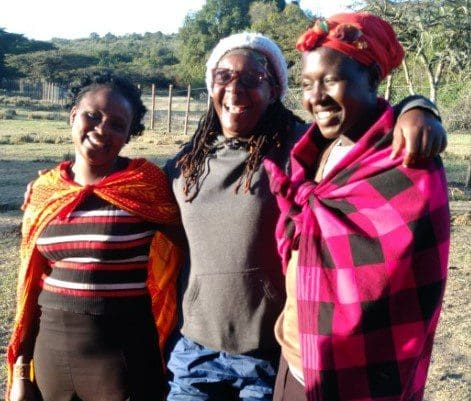
KENYA’S “MAMA VETIVER”

Jane Wegesa Fraser coordinates the Kenya Vetiver Network. She leads by “doing”.  Jane is one of the founders of PLUS-Kenya, a Kenya NGO now in operation for more than 10 years. From inception she has proven to be the powerhouse…
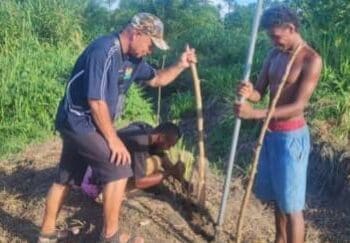
The Role Vetiver System can play in helping to achieve Papua New Guinea’s (PNG) “Vision 2050”

Robinson Vanoh and his company, Eagle Vetiver Systems Ltd, is the leader in Vetiver System (VS) applications in Papua New Guinea (PNG). Robinson is also a Board member of TVNI with special responsibilities for Small Island Developing States (SIDS) in…

The Vetiver System: A toolkit for community-led, climate change adaptation

This article is the first in what will be an occasional series of articles on the Vetiver System for community-led, climate change adaptation. Subsequent articles will try and focus more on specific challenges faced by communities, and successful examples and…

VETIVER GRASS: AN EXCITING TECHNOLOGY FOR TACKLING ENVIRONMENTAL PROBLEMS WORLD-WIDE

Jeremy Berkoff is a development economist with more than forty years experience in consultancy, government and international agencies. His specialities are water resources and agriculture. For eighteen years he worked for the World Bank. Since 1994, he has been an independent…

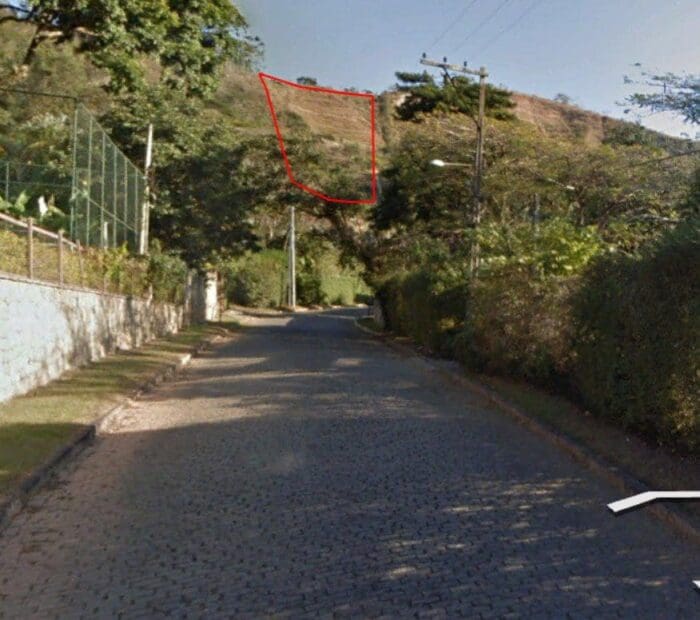
The Vetiver System can provide a low-cost solution for shallow landslide mitigation.

  The most recent (February 2022) devasting landslides in and around the City of Petropolis (located in Brazil’s state of Rio de Janeiro), are not new to the region, but the frequency and severity appears to be increasing due to…

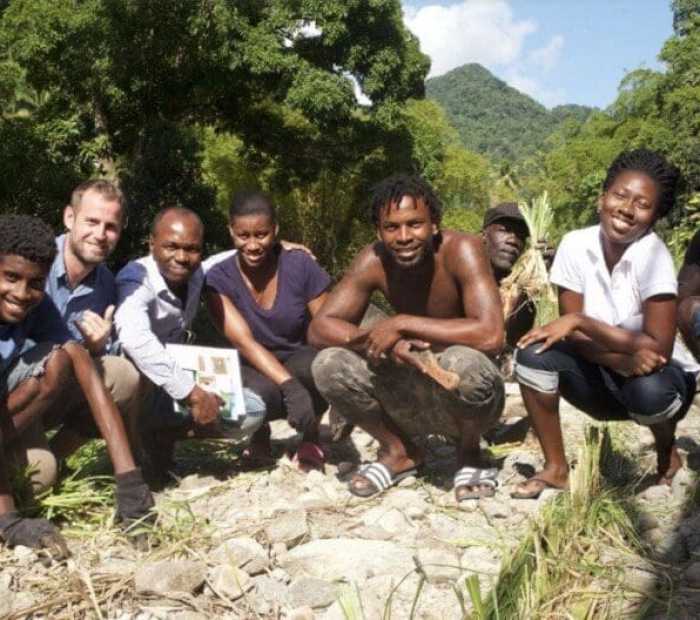
The Vetiver Education & Empowerment Project (VEEP) Model. 

For those who understand and have witnessed the significant benefits and impact of Vetiver System (VS) applications, are often perplexed that the technology is still unknown by many potential users despite global promotion efforts. Degradation of soil and water is…

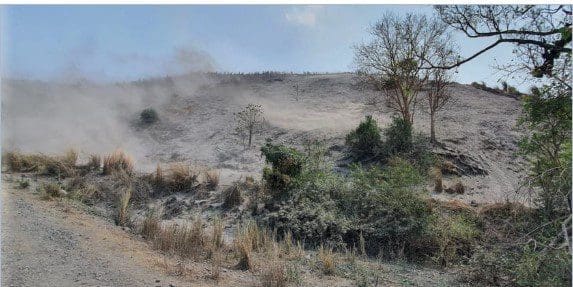
Coal Flyash Dump Successfully Stabilized with Vetiver Grass

When not stabilized and protected, fly ash dumps, associated with coal fired power generation plants, are serious health hazards due to heavy metals (Zn, Pb, Cu, Ni, Cd, and As) in the fly ash dust and associated dumpsite leachates. These…