|
IV. EFFECT OF FERTILIZER ON GROWTH OF VETIVER
Whereas it is generally claimed that Vetiver will grow under
nutrient-stressed conditions and whereas it is also generally
expected not to fertilize Vetiver hedgerows under normal
practice, it is critical to know the response of Vetiver to fertilizer.
This is especially so under special conditions where Vetiver
hedgerows need to be established very rapidly. Examples are highways,
dams, waterway constructions and housing areas in humid tropics
with intense rainfalls. The different requirements of cut-earth
and filled-earth are entirely different and have to be assessed.
Maximising production at economic cost is also important
in relation to possible production of fodder.
Trial 1
This trial compares five treatments in four replicates as
detailed and illustrated in Photo 23.
The use of slow release fertilizer is conditioned by two factors:
- easy to control at application and therefore would not confound
results. This is most critical for experimental purposes.
- Economical to use in Malaysian context where labour is expensive.
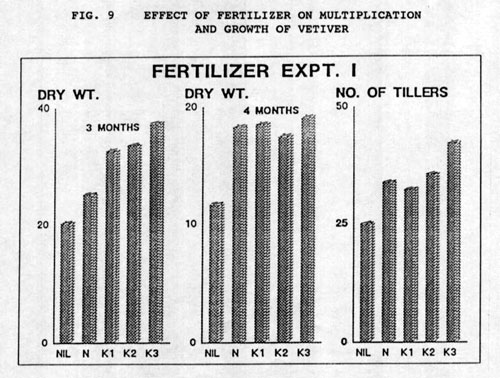
Response to fertilizer application is by measuring the dry
weight of cut-off tops at 40 cm at three months and four months
after application (Photo 24) and the number of
tillers produced at four months. The results as summarised in
Table 9 and Figure 9 show:
- Fertiliser aids in dry matter production and tiller production.
- However, even without fertilizer application, the plants
grow and multiply.
- Increasing fertilizer application rates did not increase
growth and multiplication rates significantly suggesting that
the cheapest application rate of one Kokei nugget is sufficient.

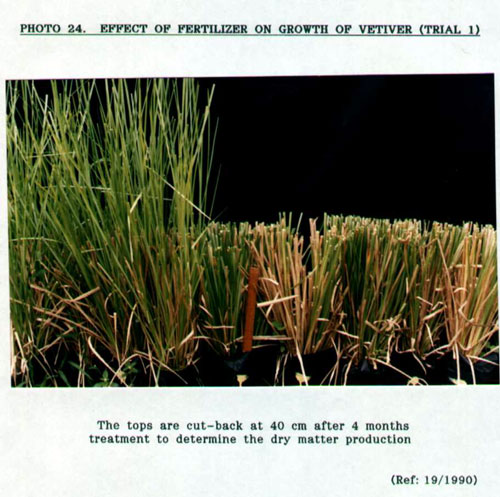 TABLE 9 EFFECT OF FERTILIZER ON MULTIPLICATION AND
GROWTH OF VETIVER
TABLE 9 EFFECT OF FERTILIZER ON MULTIPLICATION AND
GROWTH OF VETIVER
|
|
Dry weight (gm) of tops at 40 cm height |
|
|
1st cut back (3 months) |
2nd cutback (> 4 months) |
Tillers No. |
|
Nil |
20.2 c |
11.7 b |
24.9 c |
|
Nursery Ace |
25.2 bc |
18.3 a |
34.0 b |
|
Kokei (1 nugget) |
32.7 ab |
18.5 a |
32.4 b |
|
Kokei (2 nuggets) |
33.6 ab |
17.5 a |
35.8 b |
|
Kokei (4 nuggets) |
37.2 a |
19.1 a |
42.3 a |
|
s.e. (± ) |
3.01 |
1.52 |
0.137 |
|
LSD (P<0.05) |
9.3 |
4.7 |
0.4 |
Trial 2
This trial tests three treatments:
(1) K1 + O : One Kokei nugget at beginning of trial.
(2) K1 + K1: One Kokei nugget at beginning
of trial followed by another nugget after two months.
(3) K1 + K2: One Kokei nugget at beginning
followed by two nuggets after two months.
Photo 25a shows condition of plants just after
the second fertilizer application; Photo 25b compares
plants grown under two treatments. Photo 26a and
26b show cut-of at 40 cm to measure dry matter
production of tops. The main results are summarised below:
- K1 + K2 increases the rate of height
growth; while there was no difference between K1 +
O and K1 + K1 (Figure 10).
- Dry weight of tops at three and four months were improved
by a second round of fertilizer, but the two rates of application
do not produce different dry matter production (Table 10
and Figure 11).
- Tiller production was not affected by fertilizer treatment
(Table 10 and Figure 12).
- Dry weight of shoots and whole plant was increased by the
second round of fertilizer application (Table 10).
- Root production and % root/shoot were not affected by fertilizer
application (Table 10 and Figure 12).
- In general, increased fertilizer application resulted in
higher nutrient value of the leaves and roots (Table 11).
CONCLUSION
These two trials show that fertilizer improves the growth
and tiller production. However, increasing the amount of fertilizer
application does not result in corresponding increase in productivity.
Therefore, a minimum amount of fertilizer application of one
Kokei nugget is sufficient for polybag plants raised to three
months. Only for longer periods in another nugget necessary.

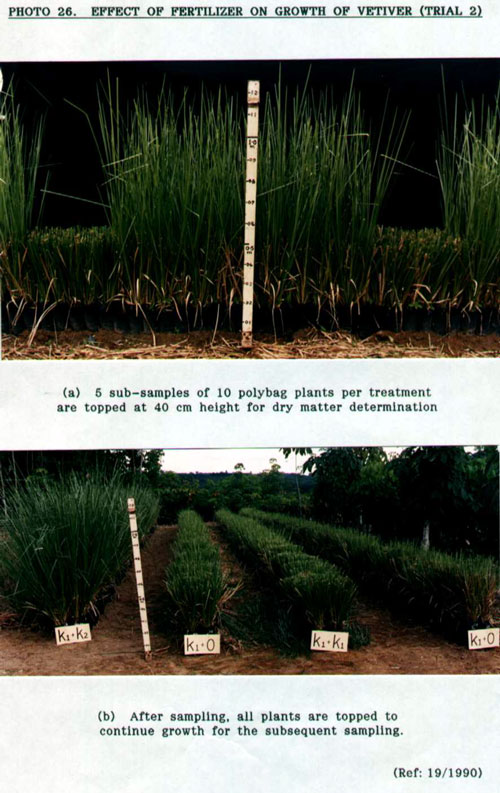
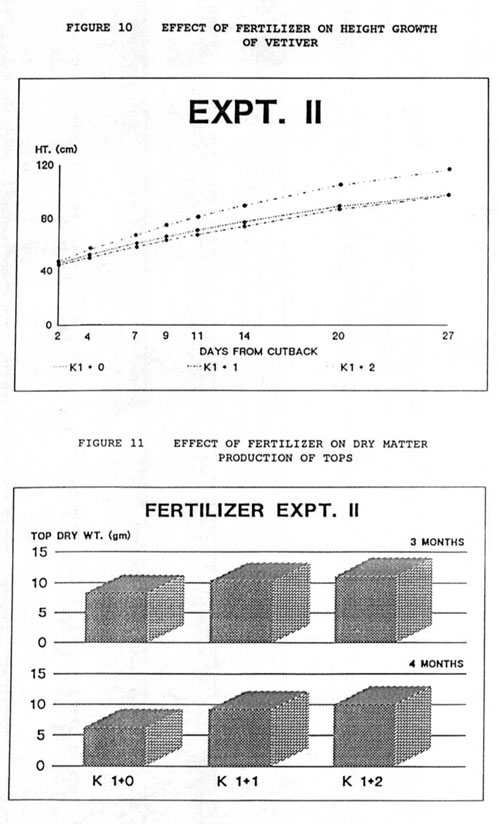
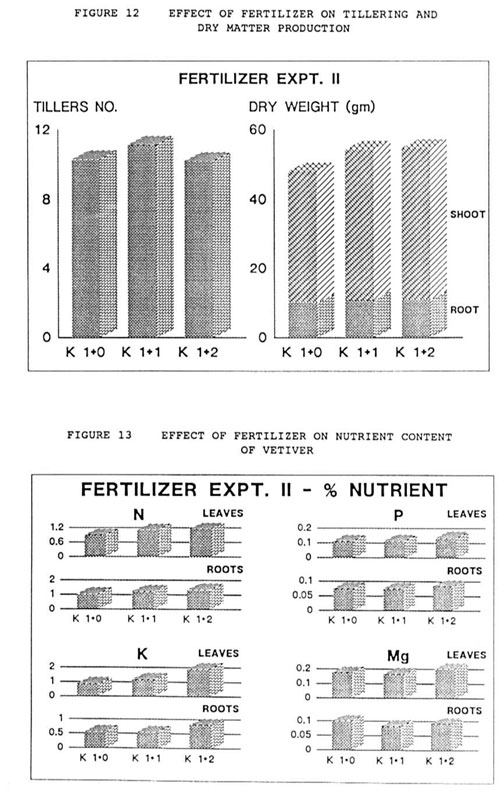
TABLE 10 EFFECT OF FERTILIZER ON MULTIPLICATION AND
GROWTH OF VETIVER (Trial 2)
|
|
Dry weights (gm) of tops at 40 cm height |
|
Dry weight (gm) |
|
|
|
Fertilizer |
3 mths |
4 mths |
Tillers No. |
Shoot |
Root |
Total bag plant |
% Root/Top |
|
K1 + 0 |
8.24 b |
6.11 b |
10.3 a |
38.1 b |
9.96 a |
48.1 b |
26.8 a |
|
K1 + 1 |
10.25 a |
9.15 a |
11.1 a |
43.6 a |
10.67 a |
54.2 a |
25.4 a |
|
K1 + 2 |
11.04 a |
9.92 a |
10.2 a |
43.9 a |
10.72 a |
54.6 a |
24.9 a |
TABLE 11 EFFECT OF FERTILIZER ON NUTRIENT CONTENT
OF VETIVER (Trial 2)
|
Treatment |
Samples |
%N |
%P |
%K |
%Mg |
|
K (1 +0) |
Leaves
Roots |
0.86
1.01 |
0.107
0.073 |
0.84
0.54 |
0.170
0.098 |
|
K (1 + 1) |
Leaves
Roots |
1.09
1.19 |
0.110
0.073 |
1.14
0.53 |
0.161
0.081 |
|
K (1 + 2) |
Leaves
Roots |
1.13
1.30 |
0.130
0.082 |
1.84
0.79 |
0.197
0.089 |
|